Locations across Canada
Post Image
27 Jan, 2026
Posted by cris_web
0 comment

Prevent Frozen Pipes

January is prime time for frozen pipes—one of the most common and expensive winter problems homeowners face. The good news? With a few proactive steps, frozen pipes are largely preventable. And if freezing does occur, knowing what to do can limit damage.

How to Prevent Frozen Pipes

Keep your home warm: Set your thermostat no lower than 55°F (13°C) during cold weather, even if you’re away. Cold indoor temperatures are one of the biggest contributors to frozen interior plumbing.

Insulate vulnerable pipes: Pipes should ideally run only through heated areas, but many homes have plumbing in basements, crawl spaces, attics, garages, or along exterior walls. Any pipe in an unheated or poorly insulated area should be wrapped with heated pipe wrap—an inexpensive solution available at most hardware stores.

Open cabinets and vanities: Pipes located inside kitchen or bathroom cabinets—especially those on exterior walls—benefit from warm air circulation. Leaving cabinet doors open during extreme cold helps prevent freezing.

Let faucets drip: When temperatures drop well below freezing, allow a slow drip of cold water from the faucet farthest from your main shut-off valve. Moving water relieves pressure caused by ice buildup and significantly reduces the risk of a burst pipe.

Know your shut-off valves: Every homeowner should know where the main water shut-off valve is located. In an emergency, turning off the water quickly can make the difference between minor damage and a major flood.

What to Do If Pipes Freeze

If you turn on a faucet and no water comes out:

  • First, check with a neighbor. If they also have no water, it may be a municipal issue.
  • If neighbors have water, your pipe is likely frozen.

Act quickly but safely:

  1. Shut off the water at the main valve immediately.
  2. Open the affected faucet so water can flow once the ice begins to melt.
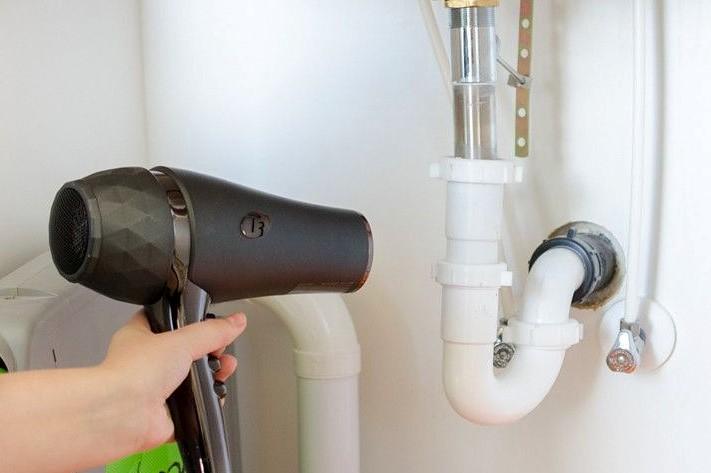
  3. Apply gentle heat using a hair dryer or warm air.
    • Never use open flames, blow torches, kerosene heaters, or anything that could ignite or overheat the pipe.
  4. Once thawed, slowly turn the water back on and carefully inspect pipes and joints for leaks or cracks.

If you notice leaking, pooling water, or cannot locate or safely access the frozen section, call a licensed plumber right away. Also check other pipes in the home, particularly those near exterior walls or where plumbing enters the foundation.

Final Thought

Frozen pipes are a winter risk—but not an unavoidable one. A bit of insulation, airflow, and preparation in January can save homeowners from costly repairs and water damage later.

If you’re unsure where your home’s vulnerable plumbing is located, a professional home inspection can help identify risk areas before winter problems strike.

Categories

Recent Posts

04 Dec, 2025

Navigating Your Home Inspection

What to Know Before You Buy   You’ve placed a bid and it’s been a

04 Dec, 2025

What Happens During a Home Inspection

A home inspection is a crucial step in the home-buying process, offeri